
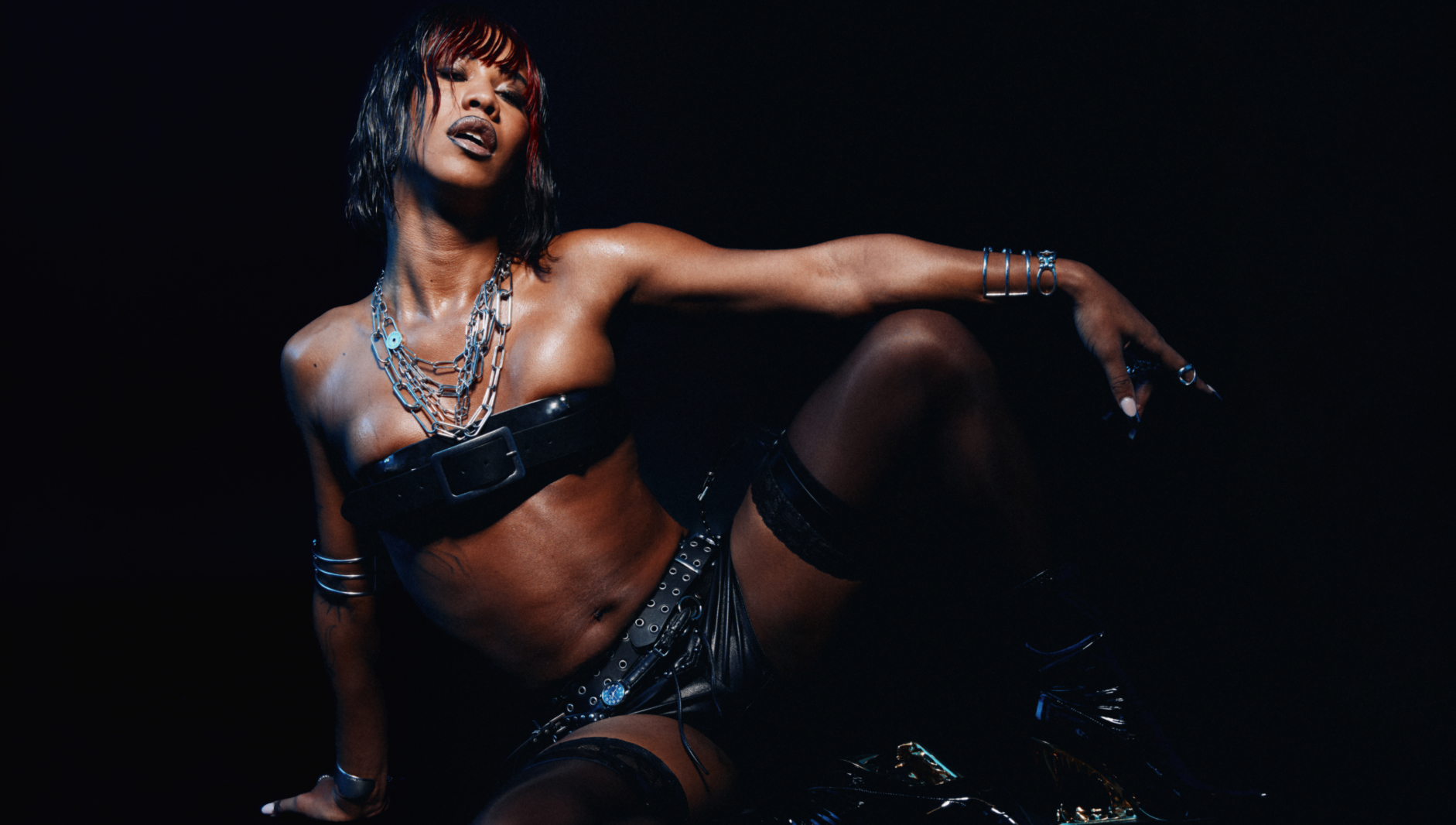
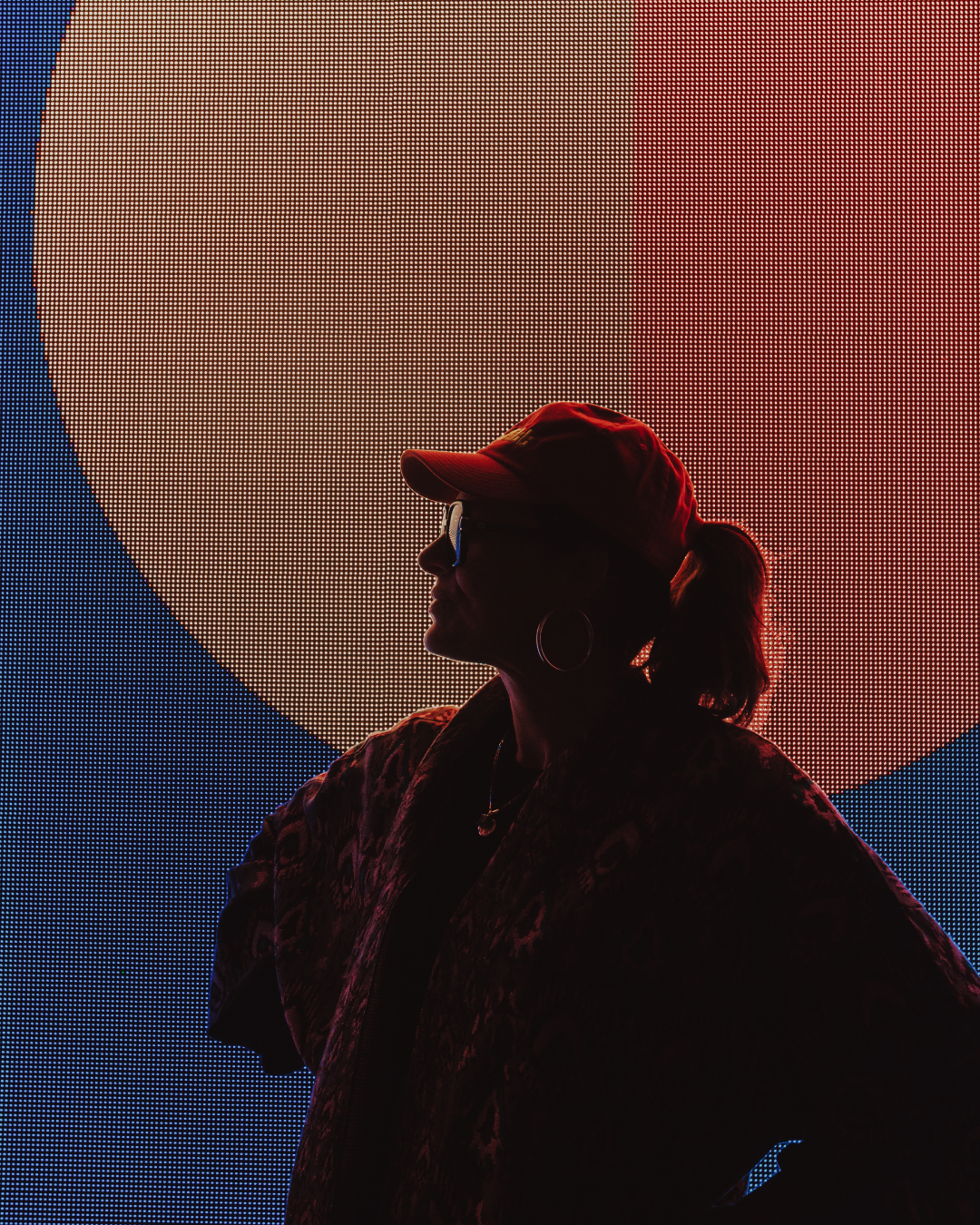
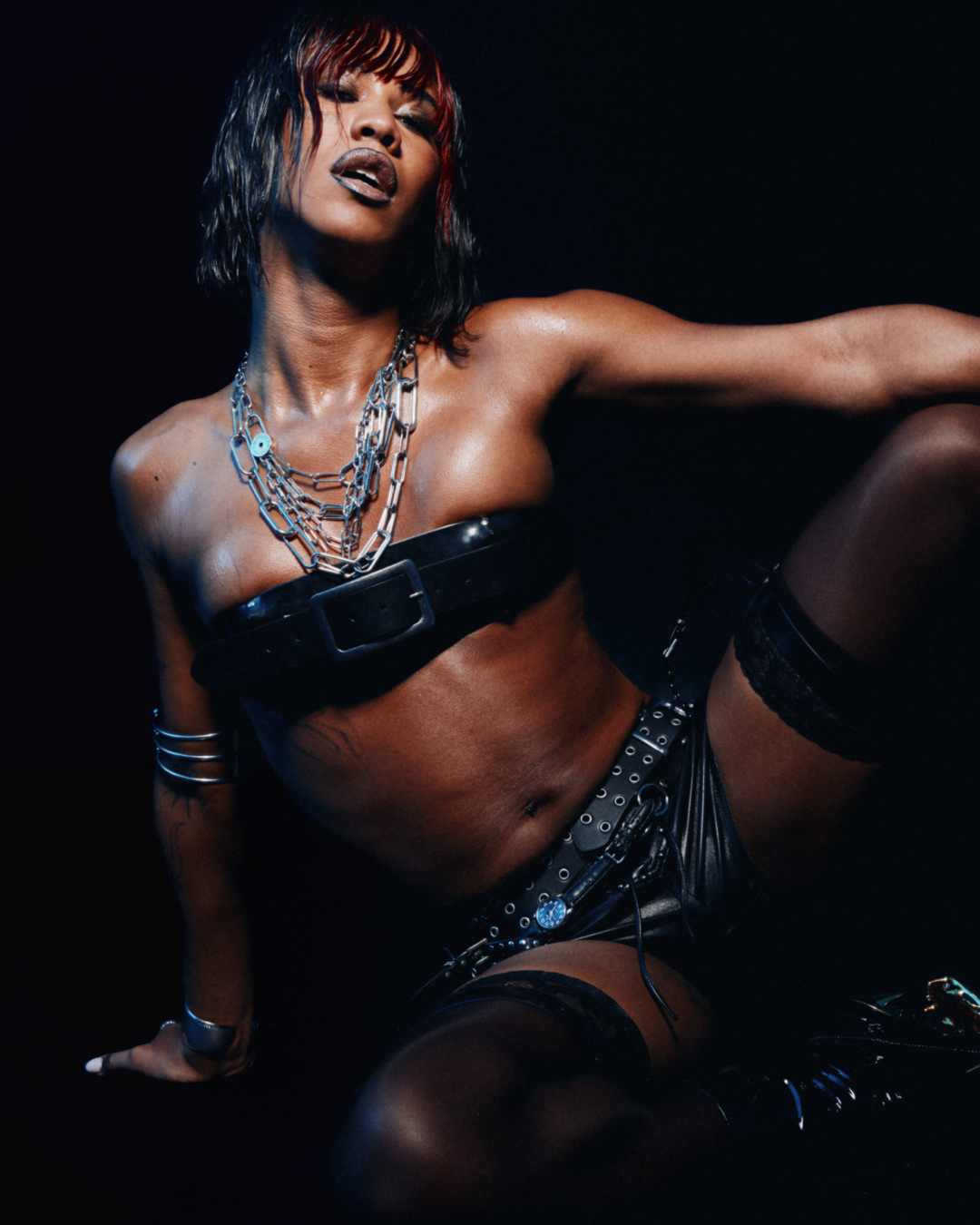
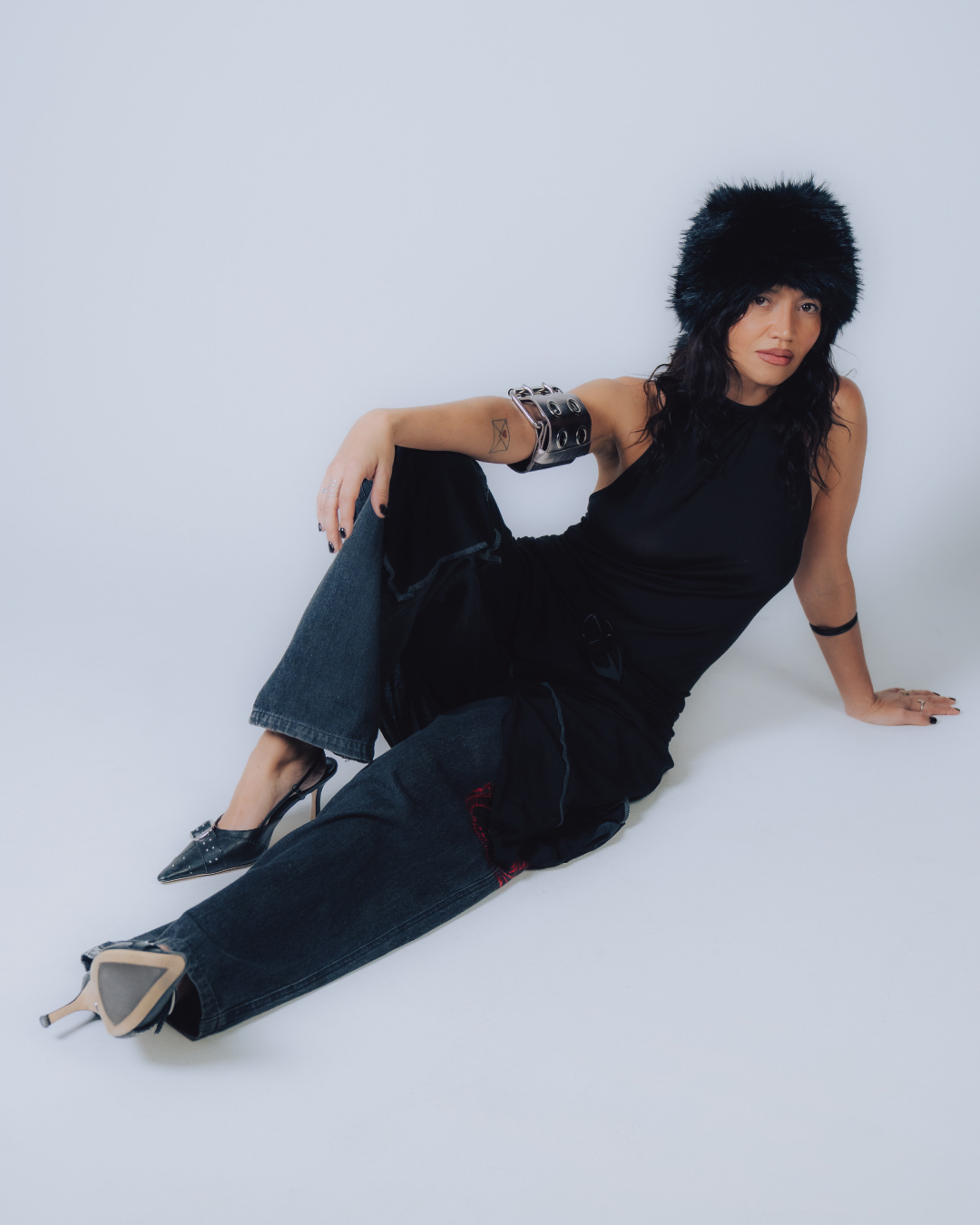
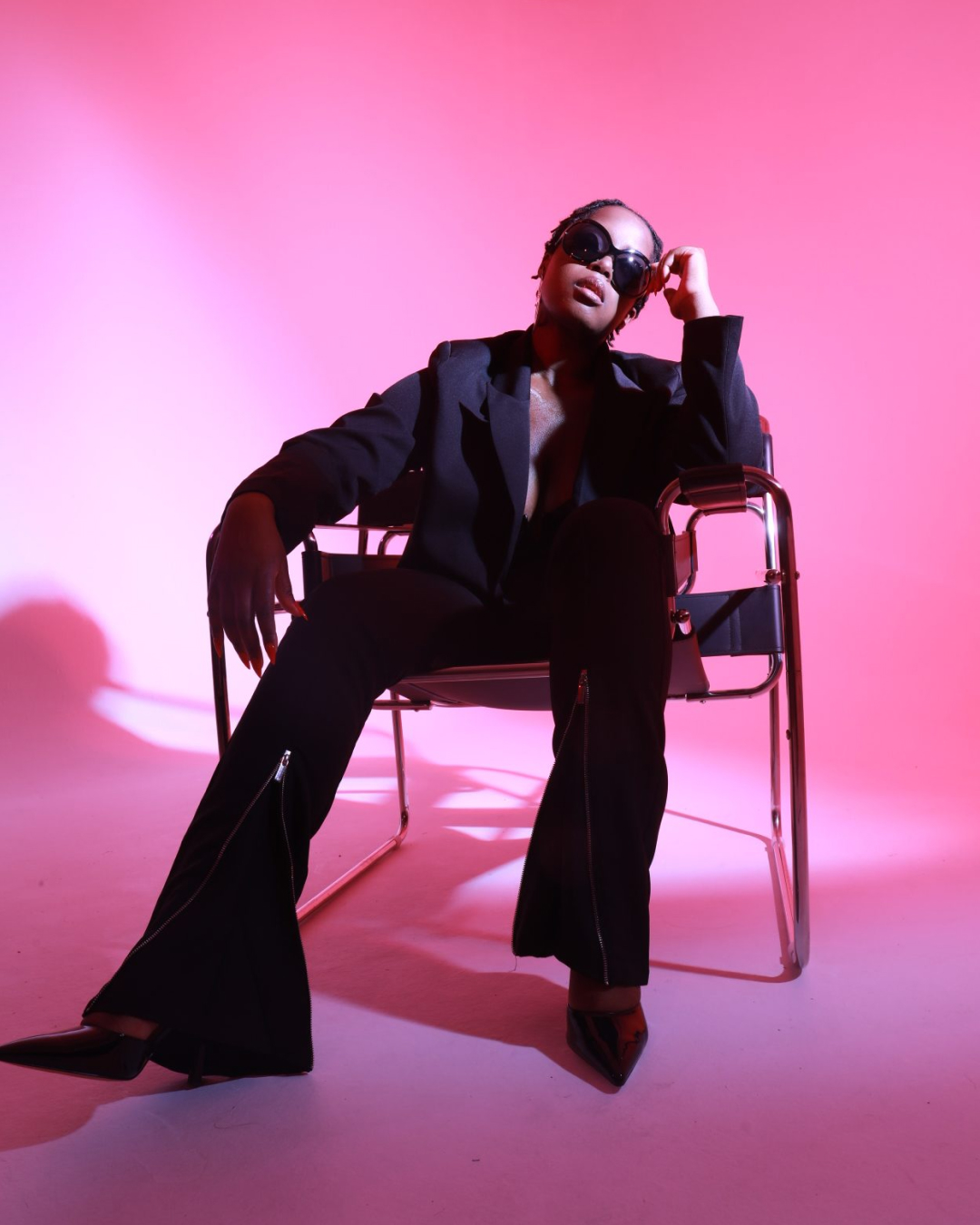
Slim Soledad is invested in versatility, forever evolving and contributing to the cultural fabric of her city and wider-network. Hailing from São Paulo, Brazil, the DJ, producer, dancer, and artist-at-large, now lives in Milan, Italy. It’s here that she welcomes the newness of her surroundings, in between a busy schedule of shows, and release of her debut album, ‘Noches Calientes de la Soledad.’
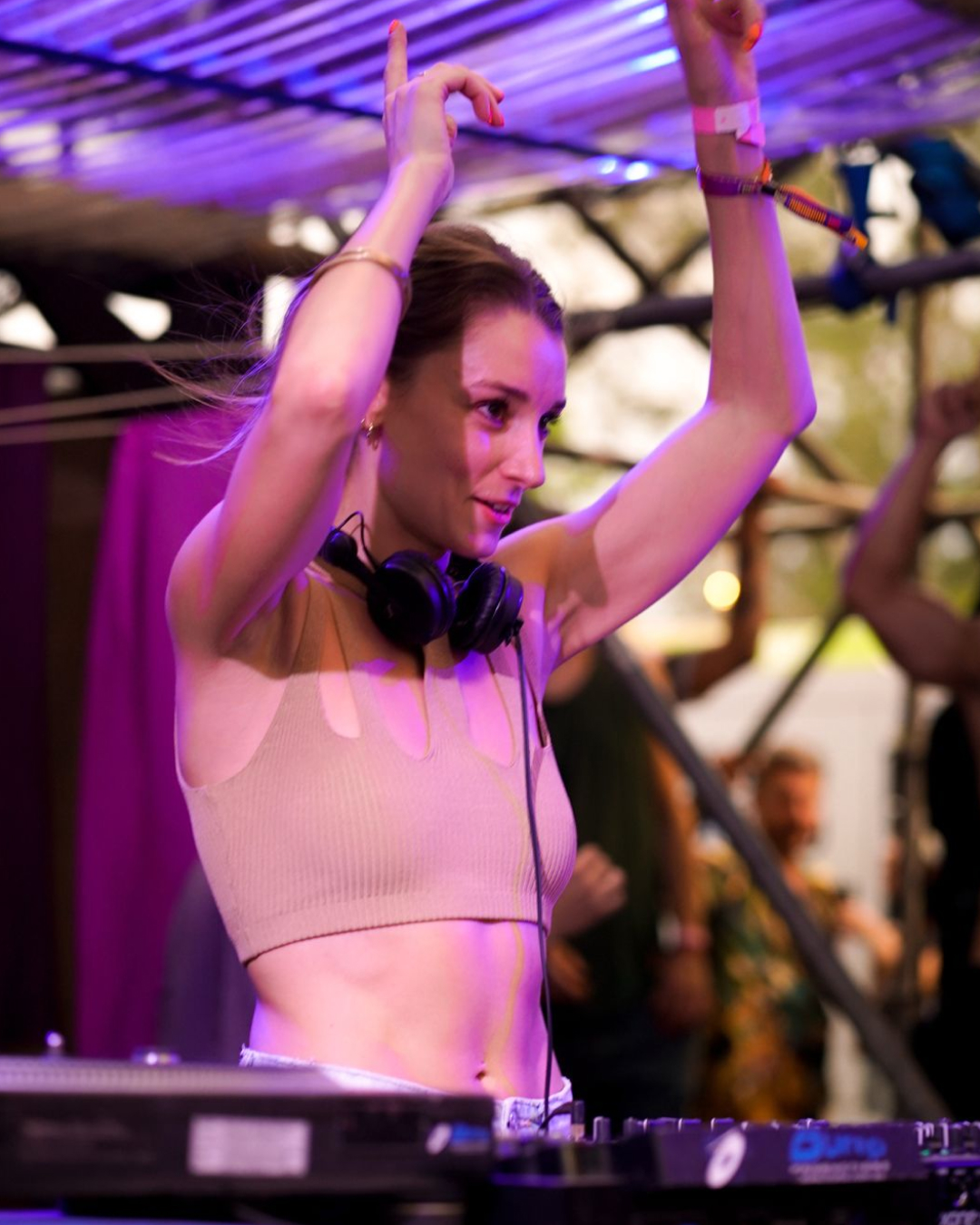
As an artist, Slim Soledad steps behind the booth with an integrated understanding of her community, how they feel and want to move. Her expertise comes from years spent honing her craft, pulling inspiration from all corners of her visual world, from fashion and beauty, to the foundations she’s built as a promoter.
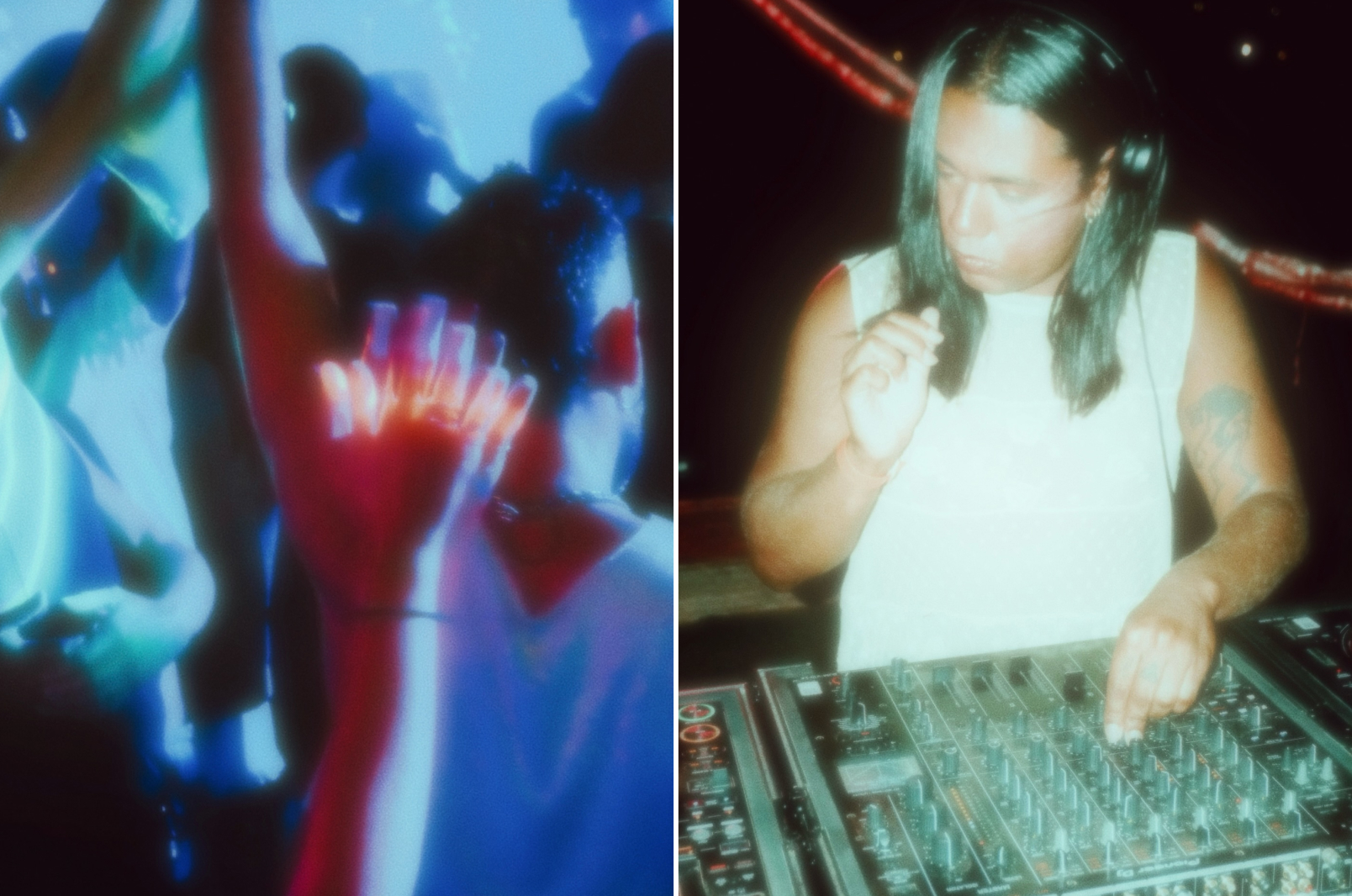
Chernobyl is a community as much as it is a party. It’s São Paulo’s first ever trans-organised event, a Brazilian collective founded by Slim Soledad and her friends. At a Chernobyl party you’ll find any genre but one, bouncing between contemporary latin-club, EDM and bass, to more experimental forms of dance. The key here is inspiration, in a variety of forms; which is how the artist likes it.
Ahead of her show at Club 77, alongside our friends, Chuleo Club, we caught up with the artist to learn more about her scene and the forces driving her art today.
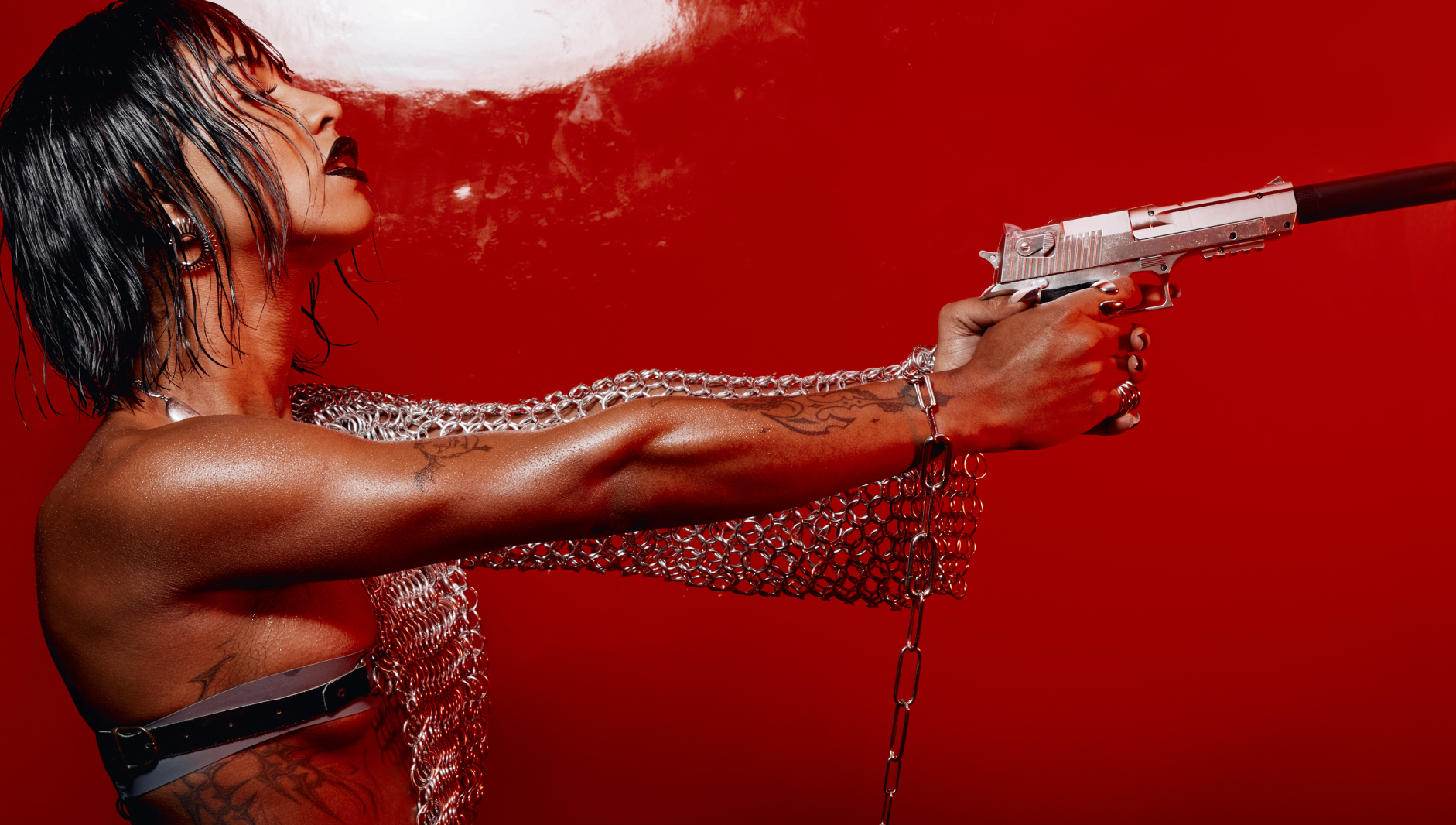
I just visited beautiful São Paulo, which I understand is where you’re from? Can you tell us a bit more about the city's has shaped you as an artist, even now as you’re moving from place to place.
Yes, I was born and raised in São Paulo. I think growing up in such a big city has its pros and cons, but what fascinates me the most is definitely everything the city can offer. We always say São Paulo is a city that never sleeps, so you can imagine there is always something happening at any time.
The city has this energy on its own; street parties, sound system culture playing reggae, funk parties, Pixo (São Paulo’s unique style of graffiti) - and so many different regional sounds and cultures influenced me a lot as an artist.
Because São Paulo is so big and diverse, we are constantly stimulated by so many other cultures coming from the other parts of Brazil, as Sao Paulo grows because of those migrations. Spending two hours getting somewhere was never a big deal.
You develop a different relationship with time when you live in a city like that, and with how you use it. This is definitely something that stayed with me, and I still think a lot about how my relationship with time and distance has changed since I moved to Europe.
You’re a dancer, which I think brings a uniqueness to your work, and perhaps, more intimacy with your audience. Can you tell us more about your relationship to movement, and how this plays into your style of performing and producing music?
I’ve been working with movement since I was very young, and I think it’s something that follows me, even now that I’m more focused on music. In my performances and productions, I like to think of music as movement too.
I don’t necessarily think about choreography, although sometimes I visualize it.
This happened with my performance ‘Vibrations, Translations’ (a dance work performed by Soledad with her peers in 2023) while I was producing my EP ‘Space Manual for Those Who Cannot Swim.’
There’s a track called ‘Transmission,’ and it was almost like an epiphany.
I visualized the choreography and later developed it with another dancer for the piece. But I don’t think I have a formula. It’s much more about feeling, and how ideas appear and start to shine while I’m creating and developing a work.
What has being a promoter and community leader taught you about people, their joy or sense of self on dance floors?
Definitely both. I remember watching the party happening and getting really emotional seeing the space we had created as a collective. So many times we thought it wouldn’t work, and somehow it always did.
There’s a unique feeling in seeing so many bodies enjoying themselves, the space, the music, and being ready to create memories together.
Are there any key memories from a Chernobyl party that you’d like to share with us?
One memory that really stayed with me was a Christmas edition of Chernobyl that we did at Ouvidor, an artist-occupied building in downtown São Paulo. It was a very special party because so many people from the scene came to celebrate with us, but also because Ouvidor itself is such an important symbol of resistance for the city. (Ouvidor is the largest artistic squat in Latin America, with 13 stories and over 120 artists in residence.)
In terms of your own self-expression, what is speaking to you at the moment? What qualities do you find these influences evoke in the quality of your performances?
I’ve been working on being more patient. Patience is something that has been speaking to me a lot lately, but I think it’s also about listening to myself more and trusting my intuition, seeing where it can take me. I see that as an exercise in self-expression too, and something I’ve been paying more attention to.
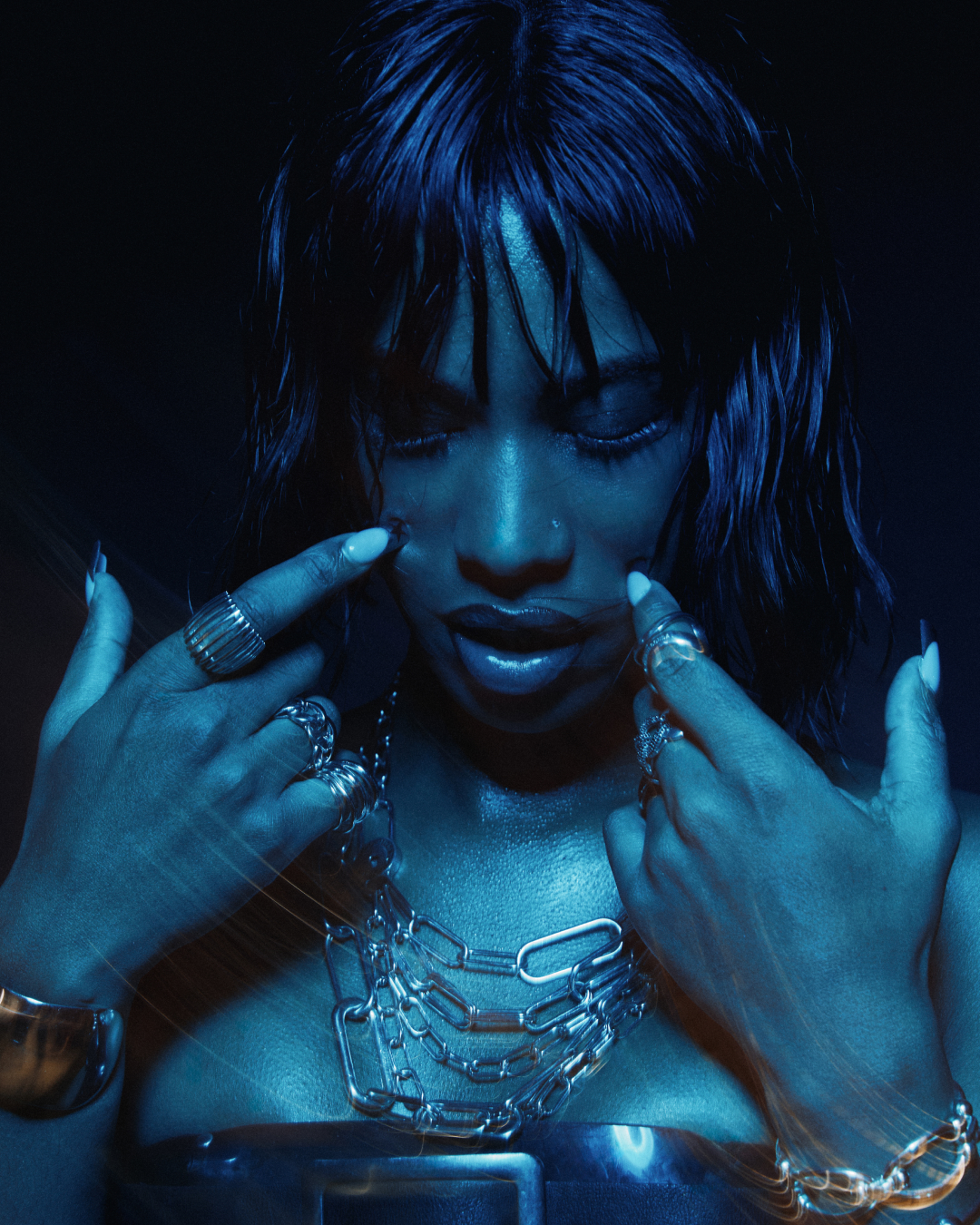
I see fashion, beauty and music all within art, and the combination of all of them with my personal taste translates into my performances.
Art is everywhere: in the streets, in people,
in the way we speak, in unexpected moments.
I see beauty in the smallest details, but also in not caring so much about it, because in the end, beauty is very subjective. And fashion, I think, speaks for itself. It’s organic, it’s raw.
The quality of my performances comes from presence. I wouldn’t have gotten where I am today without it.
Can you share three of your favourite tracks with us?
Catch Slim Soledad at Chuleo Club: In Residence on Friday 21 August 2026 from 10pm til 5am, joined by Chuleo mother Zalina, selectors Maz and Maria Piña.
See event information, register for free entry before midnight via guest list, and grab early bird tickets via RA.
Keep up with Slim Soledad on Instagram.


.webp)


