
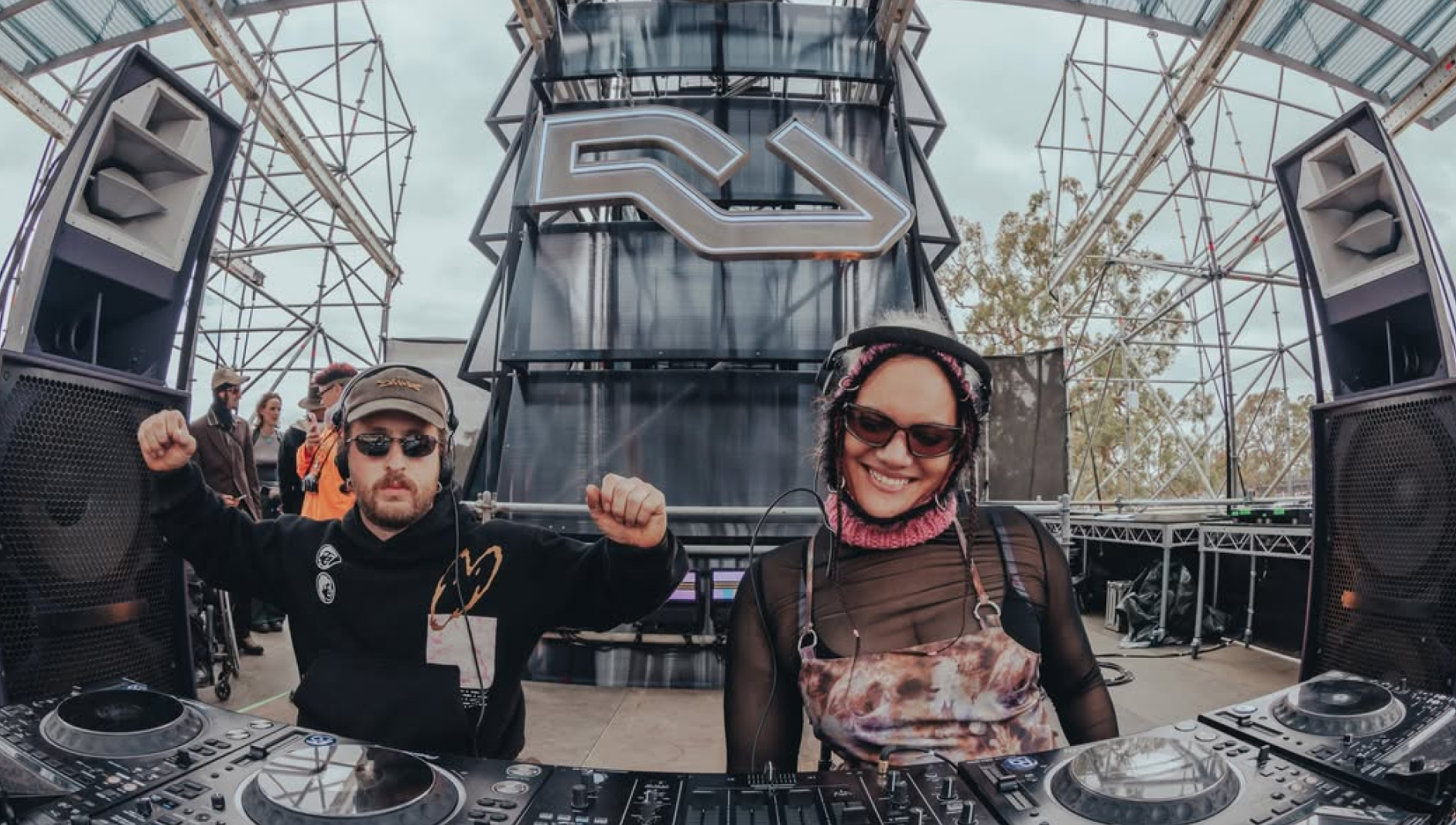
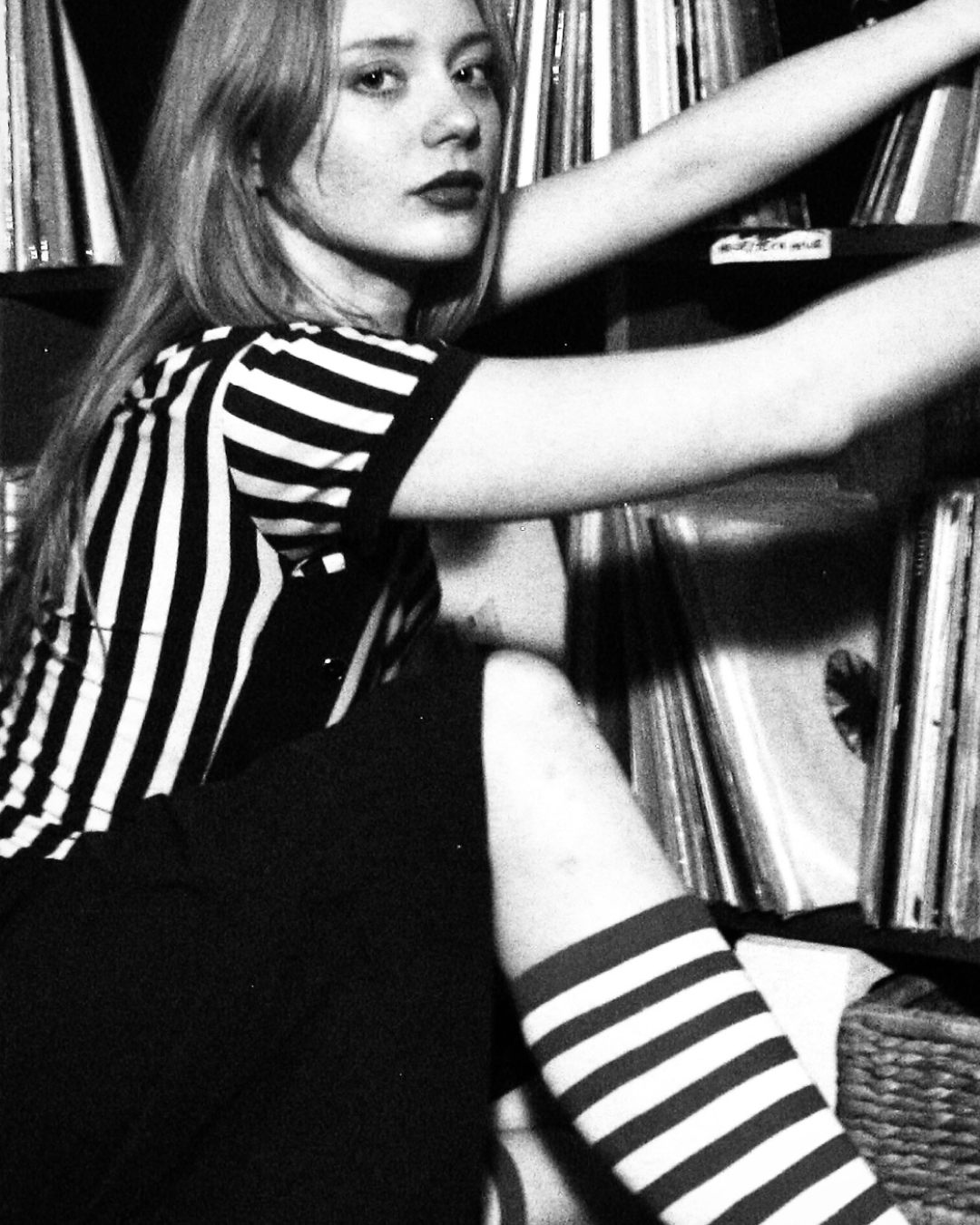
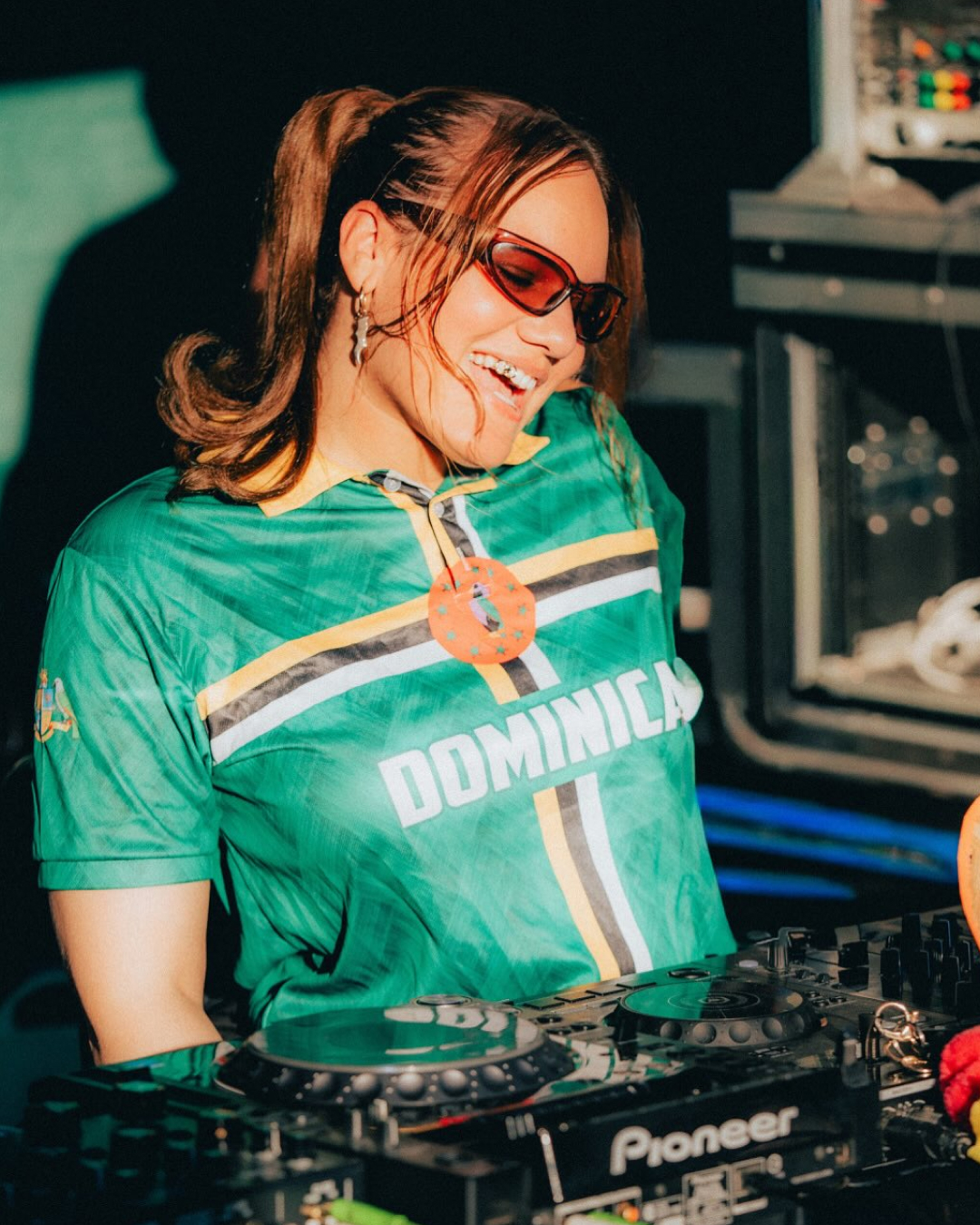
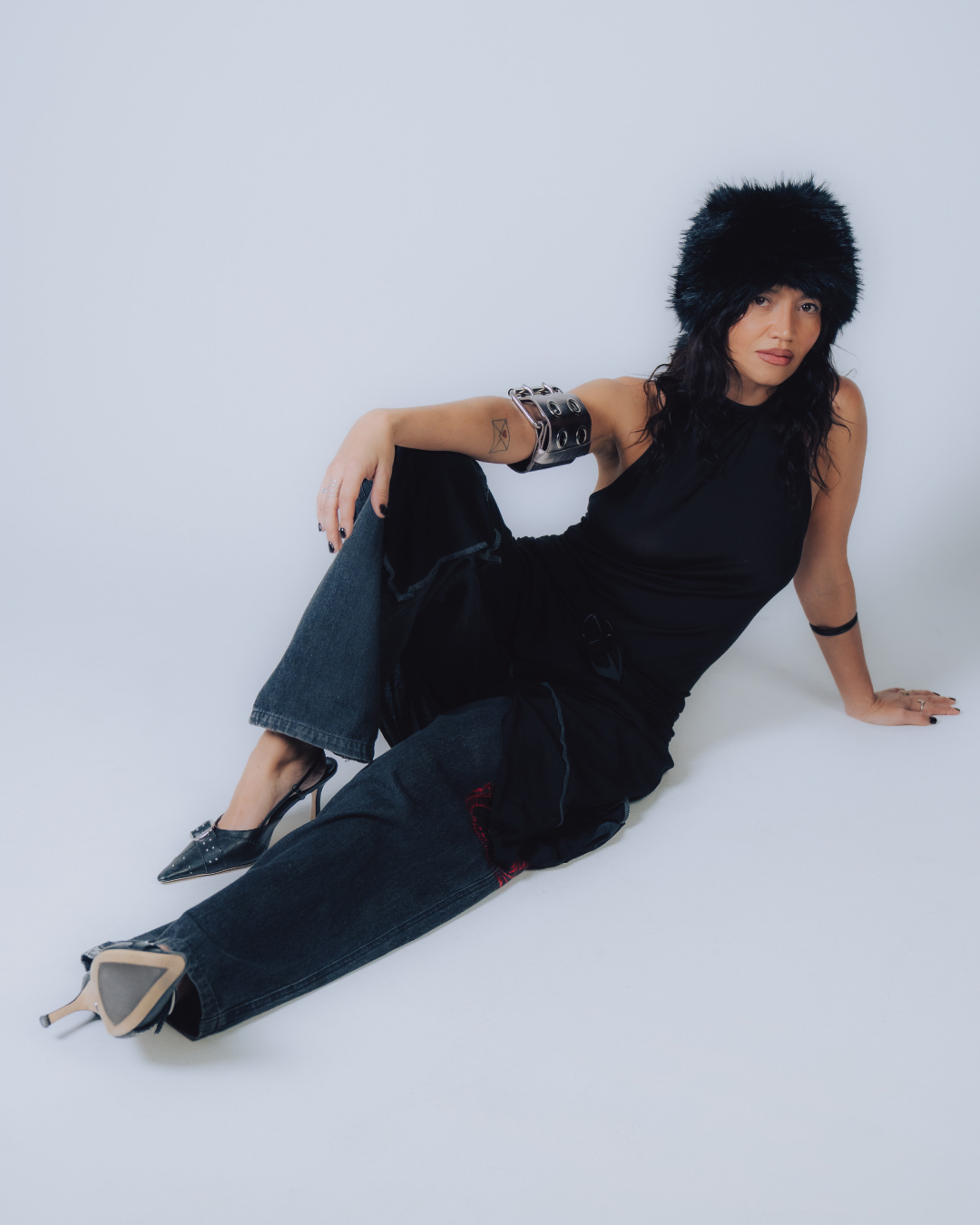
In less than a month, we’ll reopen the doors of Club 77 as a more accessible and inclusive nightclub after undergoing a series of significant accessibility upgrades. But these upgrades are about more than lifts and infrastructure - they’re about expanding who gets to participate in nightlife and electronic music culture. Few understand that better than Riana Head-Toussaint, aka Aquenta, founder of the visionary party and collective CRIP RAVE THEORY.
From club collaborations to recently programming the Resident Advisor stage at Pitch Music & Arts Festival, Riana has been helping reshape what accessible nightlife can look like for clubbers with disability. Ahead of our relaunch party, we caught up with her to discuss creativity, community and why accessibility should be viewed as an opportunity, not a limitation.
Hi Riana, what’s been happening in your world with CRIP RAVE THEORY lately?
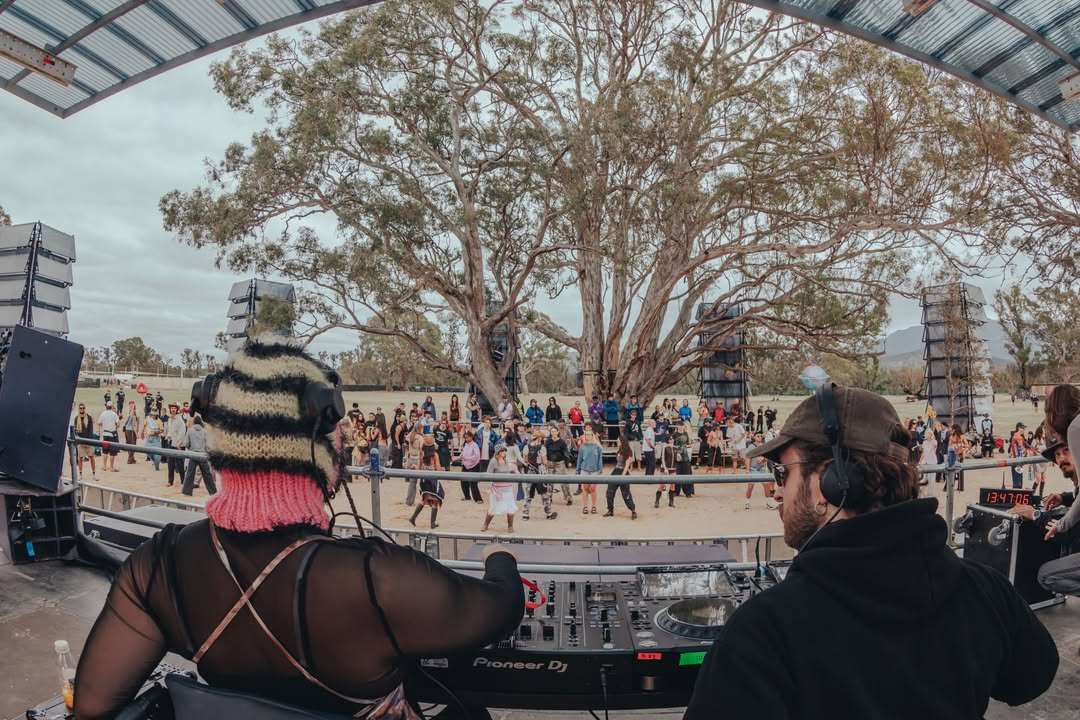
Hello! There has been a lot of exciting CRIP RAVE THEORY projects happening lately. We recently did our first festival takeover, programming for the Resident Advisor stage at Pitch Music and Arts Festival – that felt like a massive cultural moment. Then just last week we did our first takeover in an existing club, at New Guernica in Naarm! It’s been really fun and heartening to see that its possible for us to cultivate the CRT spirit within these very established existing spaces. It makes me excited for what else we could do with more time.
You’ve described Club 77’s accessibility upgrades as a potential “gamechanger” for Sydney nightlife. What do you feel has been missing from club culture for disabled artists and patrons?
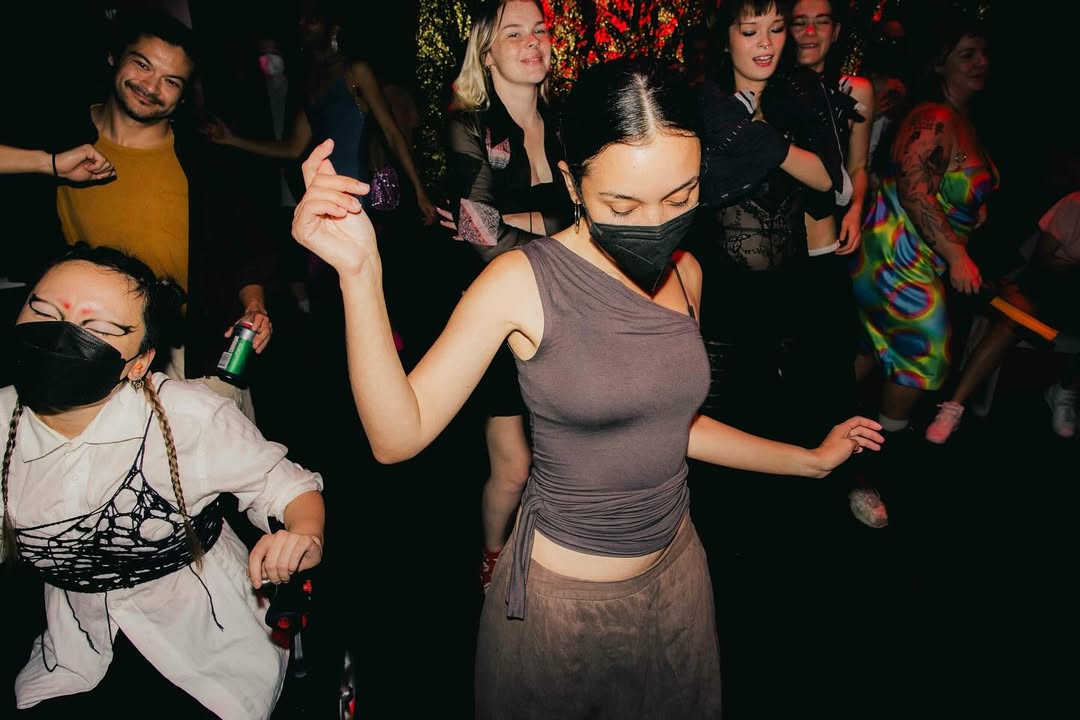
Disabled artists and patrons are what has been missing from club culture, but not because we haven’t wanted to be part of it! Most nightlife spaces in Sydney present numerous accessibility challenges, but also beyond that, there hasn’t been a culture that has really welcomed disabled people or actively sought to have us contribute to these spaces. The Club 77 upgrades are huge because they clearly demonstrate that the presence of disabled people within the club is sought after. We are a huge community with rich and unique creativity to bring to music and sound culture and the upgrades mean that we will really be able to show what we can do in this context.
The new redesign goes beyond basic compliance, from an accessible DJ booth and wheelchair turning space to the application of haptic vest for people who are Deaf or hard of hearing. Why is it important that accessibility is approached as part of the creative and social experience, rather than just infrastructure?
Facilitating accessibility is an inherently creative act – it requires you to imagine more than what you have been presented with; to question the systems and structures that exist and how they could be expanded to create more possibility. If you approach it in this way, it becomes a rich opportunity as opposed to a problem to be solved. How can we make this space more than what it has been?
It requires social consideration because we don’t exist in isolation – our needs always interact with those of others, and this is especially so in a club setting. It’s a really exciting context within which to consider access :)
What would you say to other venues and organisers who are interested in increasing their accessibility, but don’t have the funds to make as substantial physical upgrades as Club 77?
There are so many different ways to answer this; it’s a huge question. I’ll start by saying that deciding that accessibility is important to you, and committing to achieving more in this realm, is a very meaningful place to start. It’s about making a cultural shift, so that striving for more in this area becomes part of your long term vision/ethos.
It is also really important to remember when beginning this work that disability doesn’t exist in isolation – it’s just one aspect of who people are. And so, increasing access also involves considering how you make your space more welcoming to bla(c)kness, queerness, transness, etc.
On a more practical note, there’s so much you can do without a big budget!
One thing I’d suggest is actually connecting with disabled artists and patrons in your scene, asking what they need more of, and seeing how you can facilitate it. This will help make your first efforts better tailored to your community.
As a wheelchair-using DJ, I require the DJ decks to be at a height that allows me to play sitting down. I’ve played heaps of DIY events where organisers have approached me to ask what I need, gotten my table specs, and then sourced or built a height-adjustable table that worked for me. In each instance, the result has been a height-adjustable table that can actually be tailored to any artist on the bill! Way more useful, and creatively satisfying.
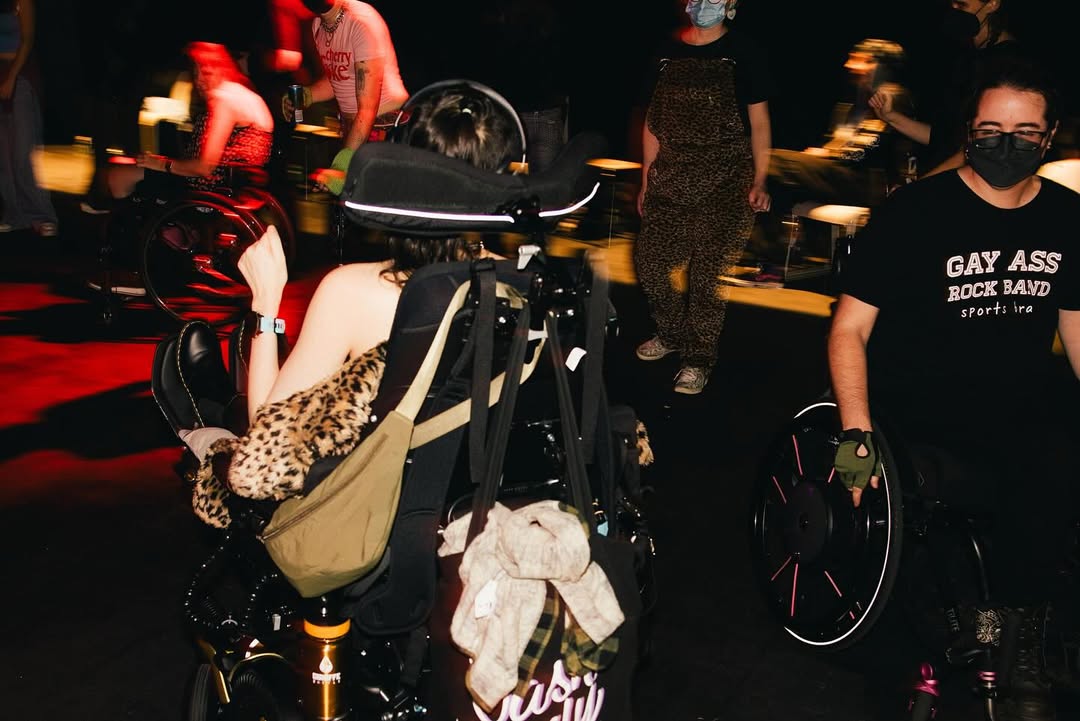
If you throw raves in warehouses or other DIY spaces and are limited by their design, are there any temporary additions can you make? Often there are more things you can do than you think. Can you start sourcing portable ramps to use in the space, or accessible portaloos? or borrow the keys to another nearby establishment’s bathroom? Can you put down matting to smooth out some uneven ground? Can you change the way you configure the space to provide more room to move?
In an existing club, can you do a portion of events without strobe or haze? Can you provide more seating?
Sharing detailed info online about what you can and can’t offer at your event is always helpful, because it shows you’re thinking about these things, it takes the labour off disabled people in terms of having to constantly search for the info, and it gives us the agency to decide whether or not your space will meet our individual needs (which vary greatly).
It’s also important to think about the makeup of your lineups and organisational teams, because having us actually playing the music or being involved in running the events also contributes to their accessibility.
These are some fairly standard examples, but there are many more! And it’s in the implementing them in your context where the creativity can really open up. How can you integrate these things into your events from the very beginning, in a way that is deeply relevant to your specific space, so they become and remain a part of your culture?
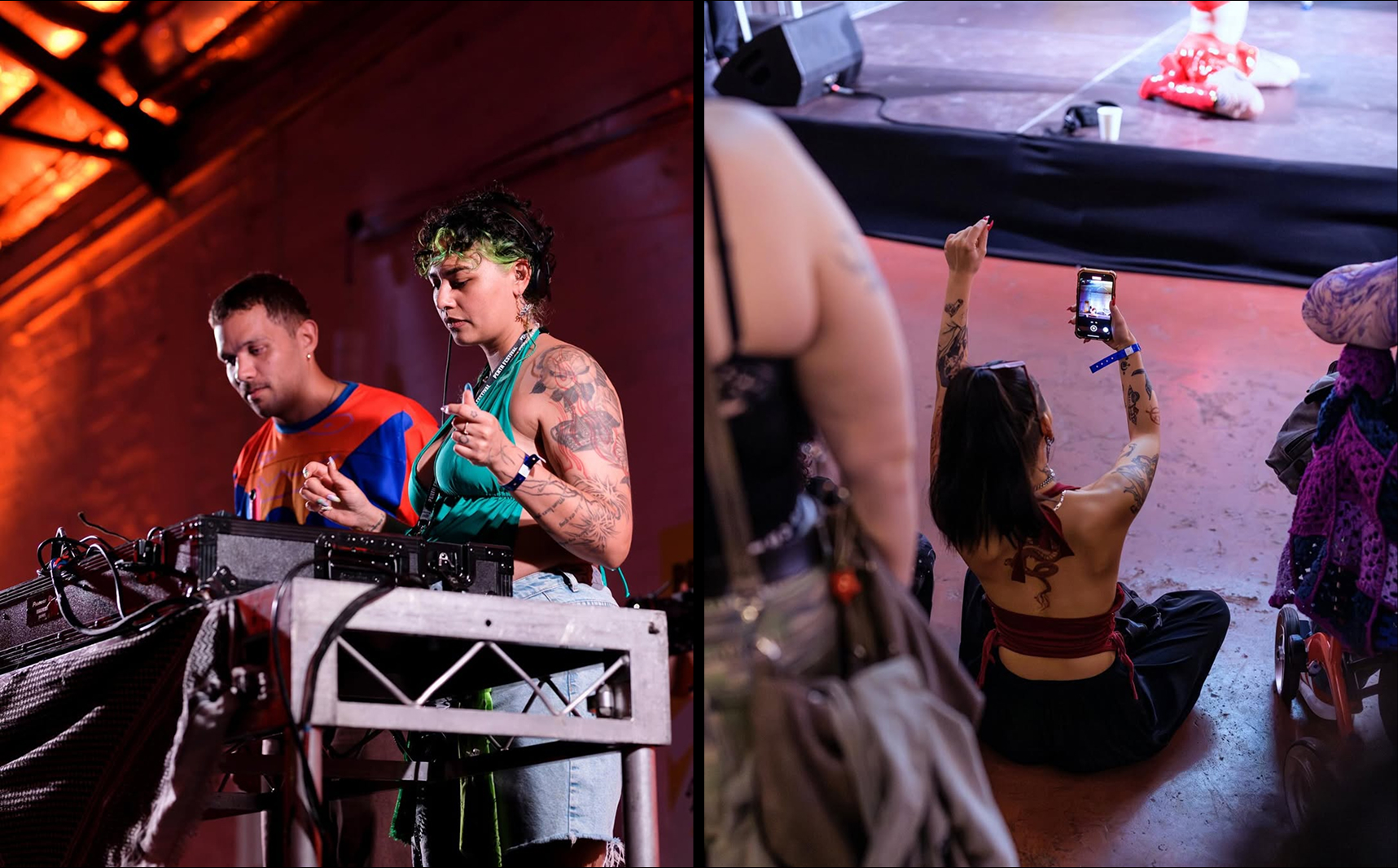
How has CRIP RAVE THEORY evolved since it first began and where do you see it heading next?
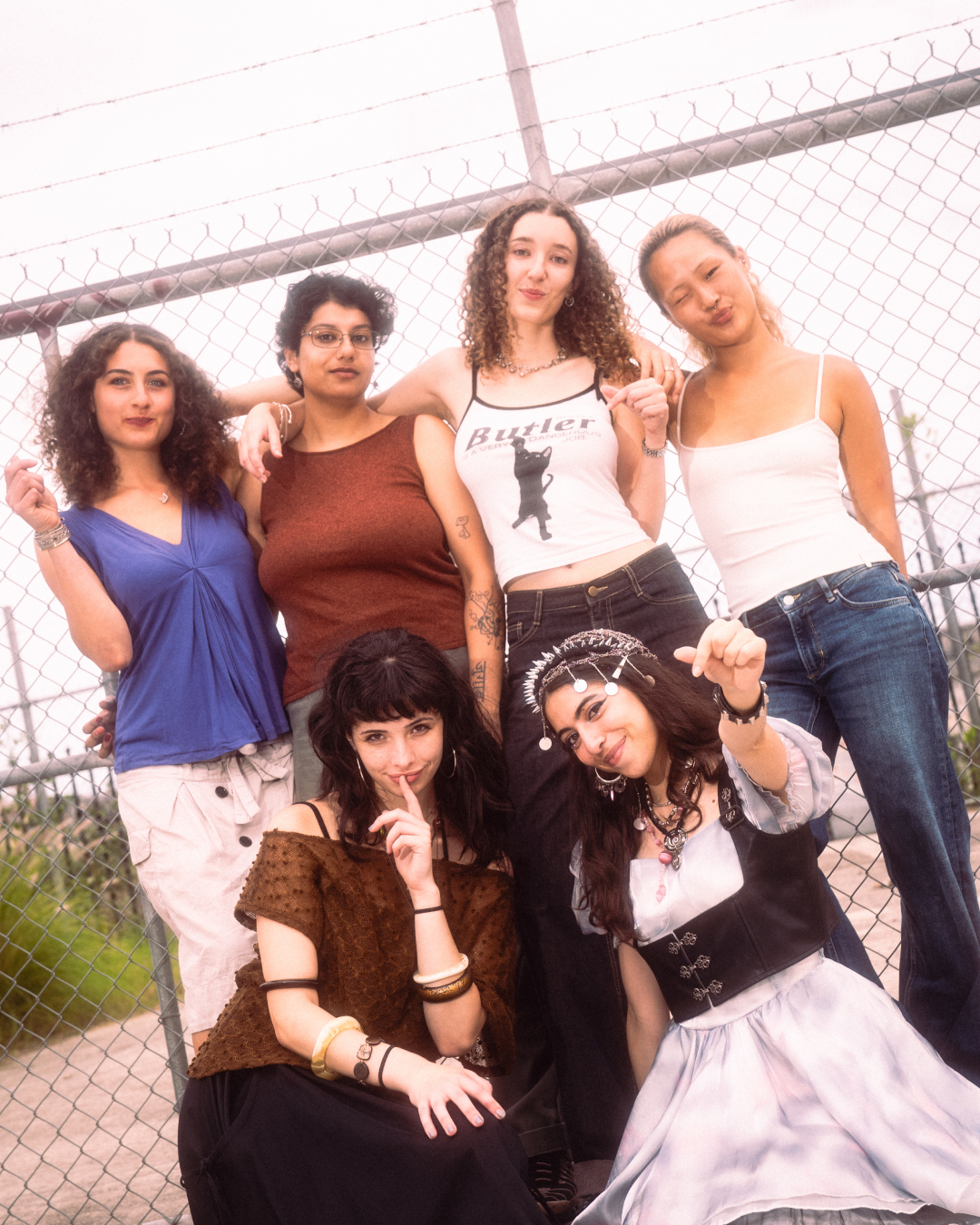
In the beginning, we were really trying a lot of things for the first time and were very much focused on building a community of patrons, artists, venues and crew. Now that CRT has been running for quite a few years, we’ve got a solid community, with sturdy connections and foundations, and the events really have their own distinct spirit.
I feel like the next steps could involve more collaboration, programming and facilitating with other festivals and collectives to see how we can continue to grow when we work with others in these different contexts. I think it’s also about reflecting on what we’ve done so far, seeing where the gaps remain, and what else we could experiment with. It’s always an experiment really!
More from Aquenta on Crip Rave Theory here: Aquenta: Redefining Accessibility, Identity, and the Club Experience with Crip Rave Theory
Stay up to date with Riana (Aquenta) via Instagram, and Soundcloud.
Stay up to date with CRIP RAVE THEORY via Instagram.

.webp)


